×

The Standard e-Paper
Join Thousands of Readers





Audio By Vocalize
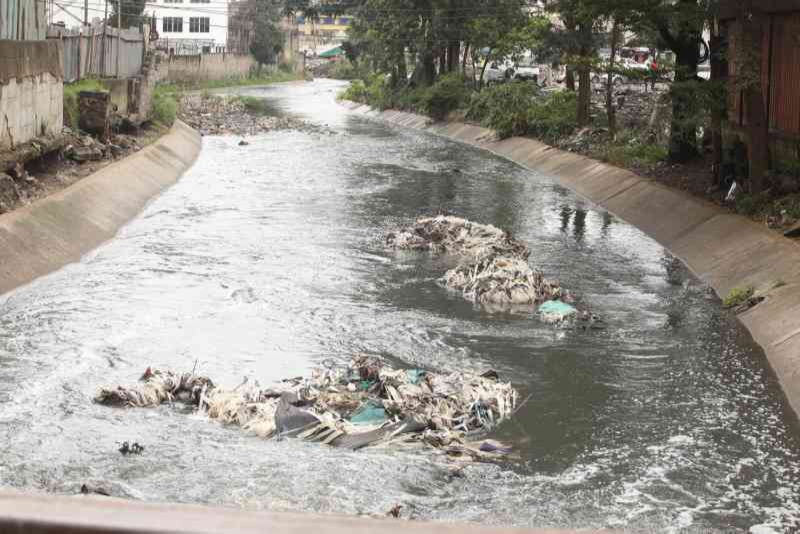
Environmentalists are raising concerns over escalating pollution and environmental degradation in Athi River, warning that rapid industrial growth, urban expansion and increasing pressure on natural resources are threatening one of Kenya’s most important river systems and the communities that depend on it.
The conservationists say urgent grassroots action is needed to reverse environmental damage in the area, where industrial activity, population growth and agricultural expansion continue to place mounting pressure on ecosystems.
Speaking in Mavoko, Machakos County, during a tree planting exercise, environmental stakeholders said community participation will be critical in addressing pollution and restoring degraded landscapes in the rapidly industrialising town.
Their concerns come against the backdrop of growing scientific evidence showing deteriorating water quality within the Athi River basin.
A 2024 study published in the Science of the Total Environment journal detected 57 contaminants of emerging concern in the Athi River basin, including pharmaceutical residues, pesticides and personal care products, with researchers warning of potential ecological and human health risks linked to untreated wastewater discharge.
The Athi River, Kenya’s second-longest river at about 390 kilometres, supports millions of people through domestic water supply, irrigation, livestock production and industrial use.
However, researchers have consistently identified pollution from industrial effluent, sewage discharge and solid waste as major threats to the river system.
Cynthia Mumo of Tuhifadhi Mchanga Initiative said environmental conservation can no longer be left solely to government agencies and environmental organisations.
“Athi River is a highly industrialised area and we also have extensive agricultural activities. One of the major challenges we are trying to address is pollution because ecosystem resources are under immense pressure. Communities need to understand the role they can play in protecting the environment,” she said.
Studies conducted within the Upper Athi River Catchment have linked rapid industrialisation, urban growth and encroachment on wetlands and riparian land to declining water quality and increasing environmental degradation.
Researchers warn that continued land-use changes could threaten biodiversity and the livelihoods of communities that depend on the river.
According to the National Environment Management Authority (NEMA), effluent from industries, slaughterhouses, dumpsites and municipal sewer systems remains among the leading sources of pollution affecting the Athi River.
While many industries have improved wastewater treatment systems, environmental regulators say pollution from informal settlements and untreated sewage continues to pose significant challenges.
Environmentalists noted that many restoration programmes fail to achieve lasting impact because communities are often involved only during tree-planting exercises and not in the long-term care and monitoring of restoration projects.
Mumo said environmental groups are planning periodic monitoring of ecosystem resources within Mavoko to establish the extent of environmental degradation and guide future restoration efforts.
“We want communities to remain engaged even after the planting exercises. Through monitoring and continued awareness, we can make informed decisions on restoration activities that will have lasting benefits,” she said.
Environmentalist Kennedy Onyango Luther of Global Green Initiative (GGI) said environmental conservation efforts should focus on ensuring trees survive beyond planting exercises.
“People should not just plant trees for the sake of planting. We need to ensure they grow to maturity and provide environmental benefits for future generations,” he said.
Luther said environmental degradation is increasingly contributing to poor air quality, soil degradation and rising temperatures in rapidly urbanising centres.
He noted that involving schools and young people in conservation initiatives remains one of the most effective ways of building a culture of environmental stewardship.
“The future of environmental conservation lies in educating the next generation. When young people understand the value of healthy ecosystems, they become champions of environmental protection in their communities,” he said.
The calls come as Kenya pursues its ambitious target of growing 15 billion trees by 2032 under the national landscape restoration programme.
Subscribe to our newsletter and stay updated on the latest developments and special offers!